Yallingup Summit Showcases the Power of Regional Innovation
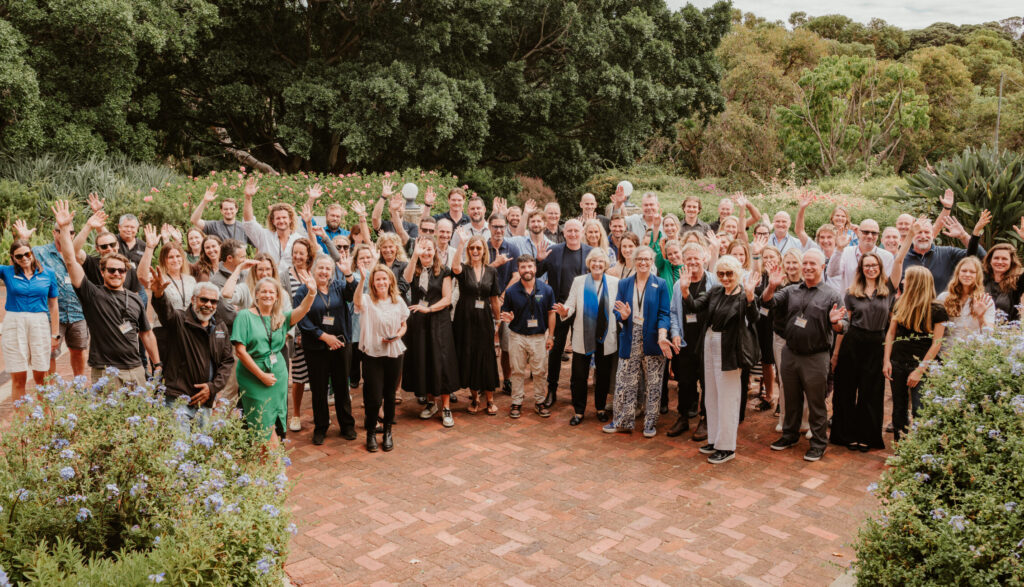
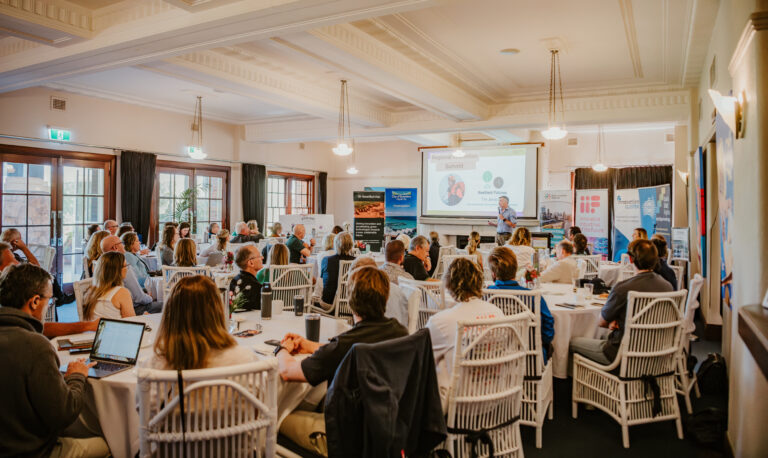
The Regional Innovation Summit brought together founders, researchers, investors, industry leaders and government representatives at Caves House in Yallingup to explore how regional Western Australia can lead the next wave of innovation.
Across the day, speakers and participants shared insights on leadership, investment, emerging industries, highlighting the strength of regional ecosystems, the importance of collaboration, and the growing role of Western Australia in global innovation.
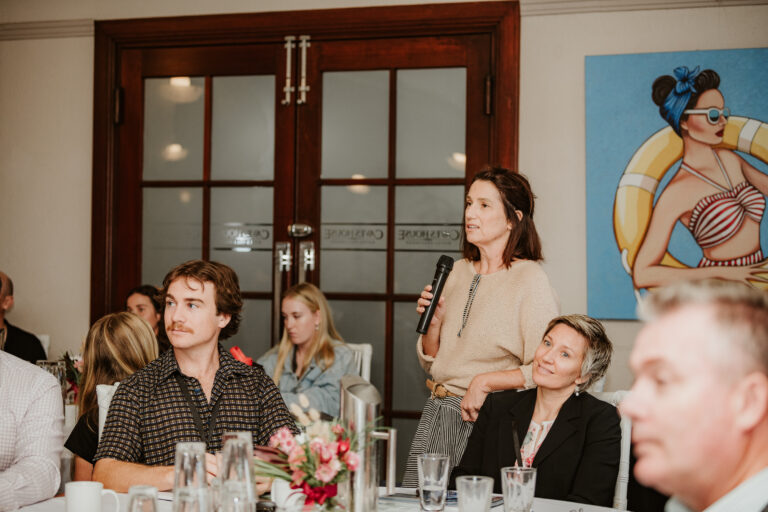
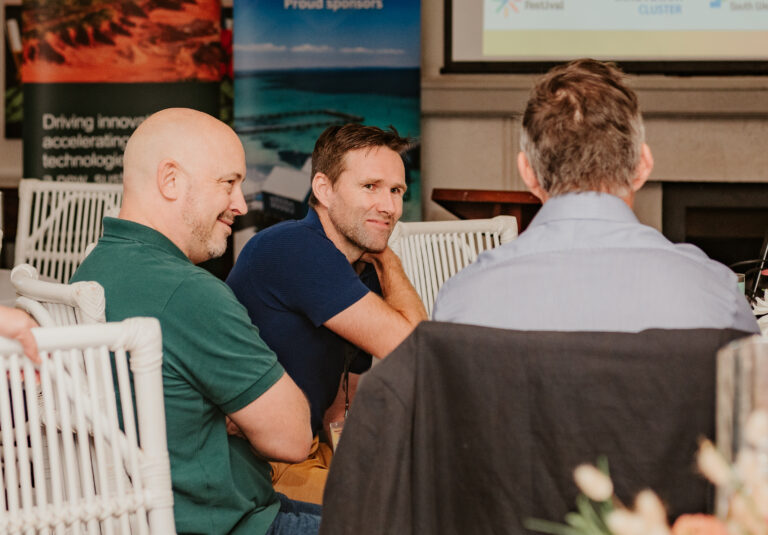
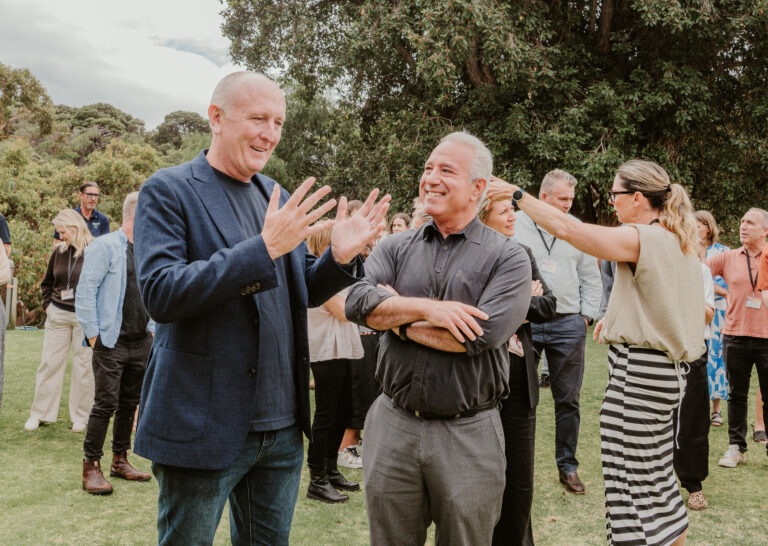
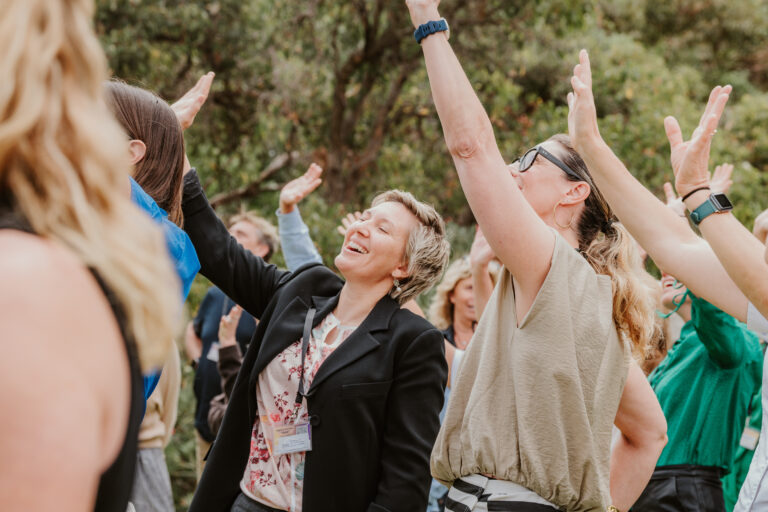
The energy in the room was evident from the outset.
“Wonderful day thank you Innovation Cluster team. I loved the way the whole room engaged with energy, passion and collaboration. Thanks for your support of this important sector.”
Michelle Thomas
CEO – Life Sciences WA
Michelle Thomas, Life Sciences WA CEO
A Welcome Grounded in Culture and Place
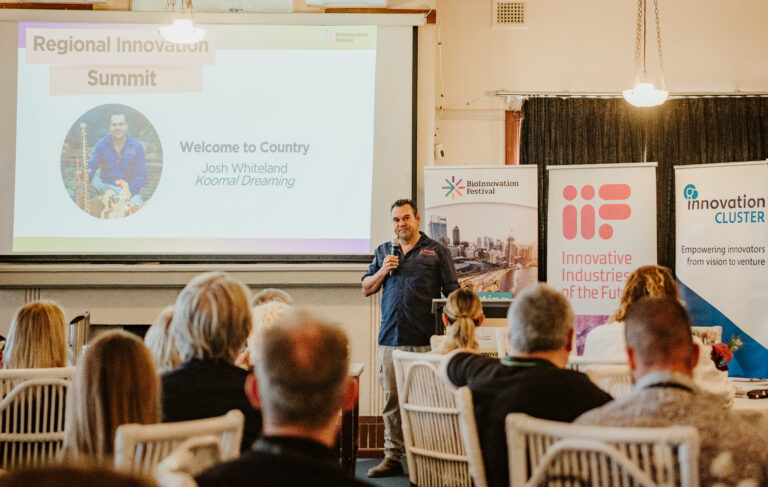
The Summit opened with a Welcome to Country by Josh Whiteland, Koomal Dreaming, grounding the day in connection to Country and acknowledging the deep cultural knowledge that has shaped the region for thousands of years.
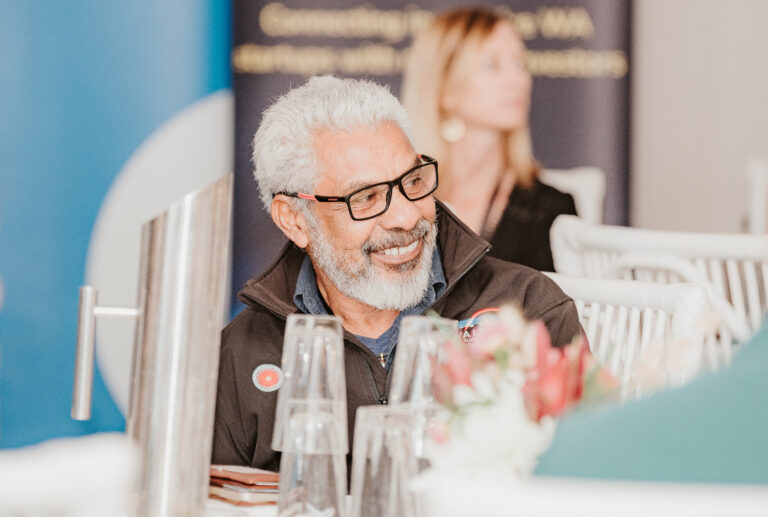
Josh Whiteland, Koomal Dreaming
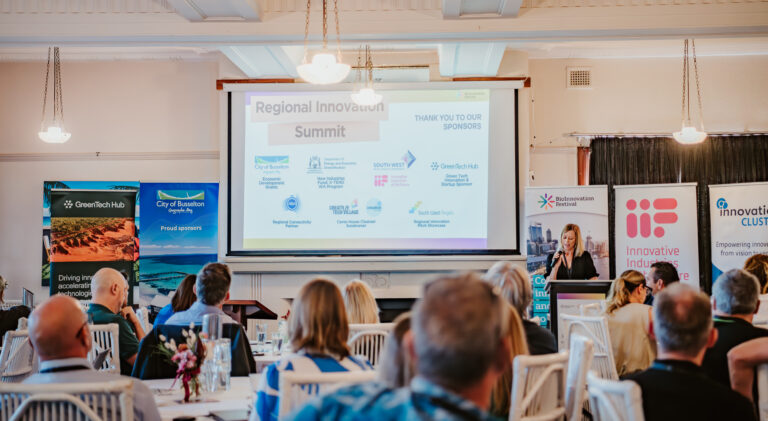
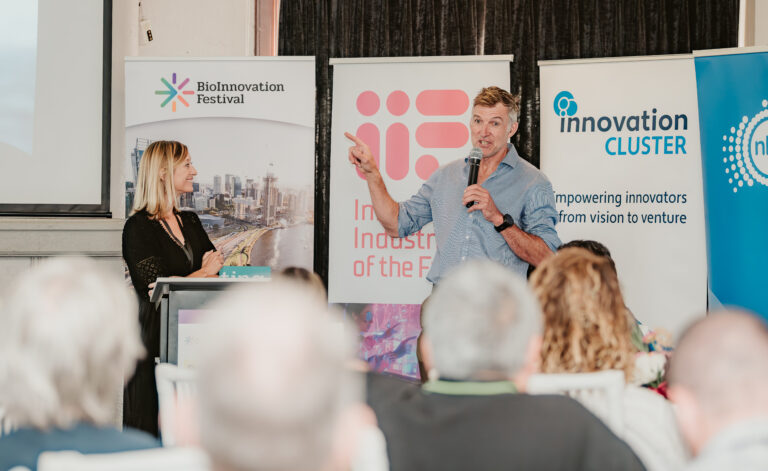
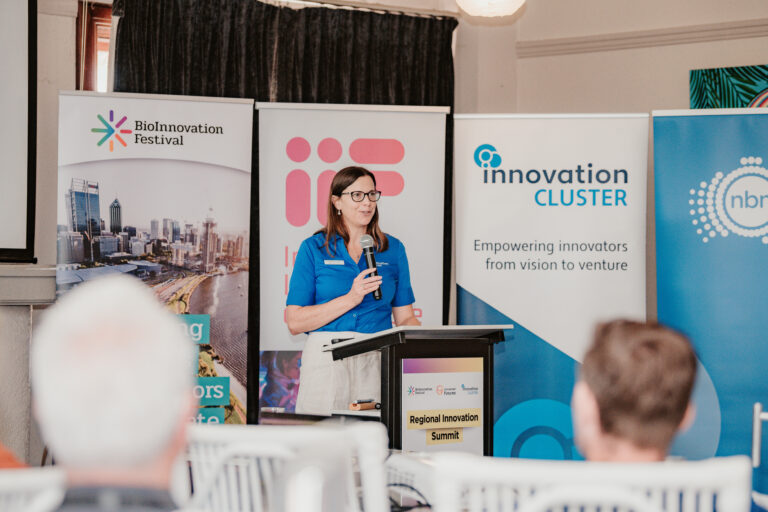
MC Amy Carter-James then welcomed attendees and set the tone for the day, highlighting the importance of bringing together innovators from across sectors to explore how regional communities can lead new industries, technologies and sustainable economic opportunities.
Amy Carter-James, Raaise
Leadership and Resilience in Uncertain Times
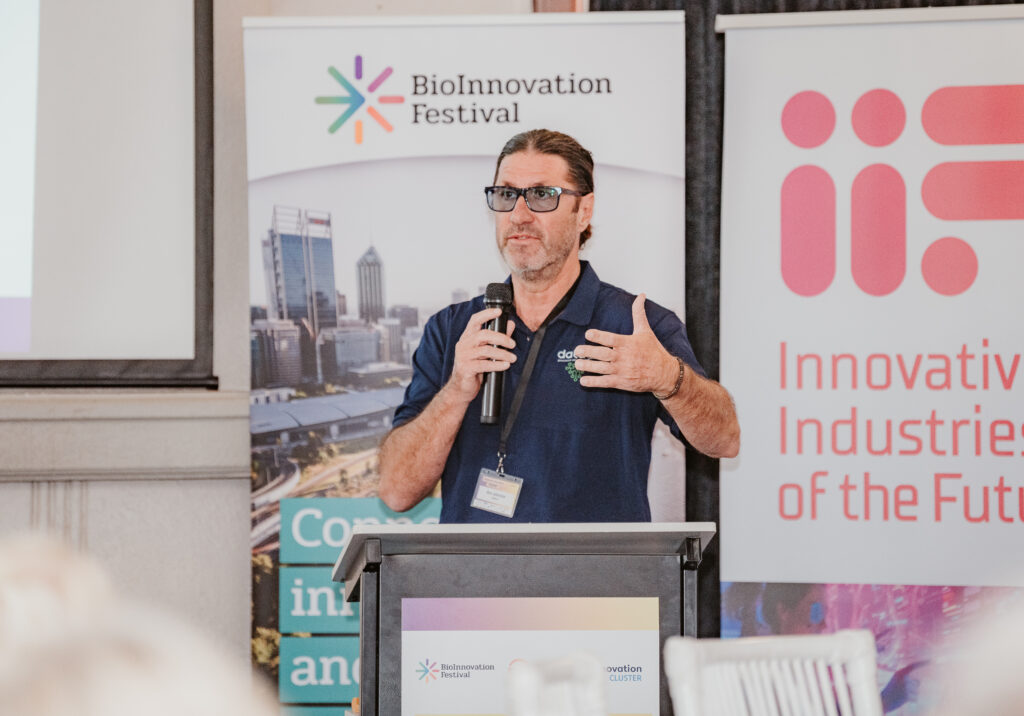
Polar explorer and environmental scientist Tim Jarvis delivered the opening keynote, Resilient Futures, sharing lessons from Antarctic expeditions and global environmental work that translate directly into leadership and innovation.
Tim Jarvis, Keynote
Jarvis spoke about the importance of creating environments where people feel safe to raise problems – but with a key condition.
“You can come to me with any problem,” he explained, “but you have to propose a solution at the same time.”
This mindset encourages ownership, creativity and initiative across teams.
He described how successful projects rely on a culture where everyone feels like owners of the mission rather than employees, taking responsibility when things go wrong and sharing credit when things succeed.
He emphasised the importance of creating environments where people feel safe to speak up, challenge ideas and share perspectives – a culture where everyone feels their role is critical to the mission.
Jarvis also spoke about preparing for uncertainty. Before expeditions, teams map out everything that could potentially go wrong — not to dwell on risk, but to ensure they are ready to respond when challenges arise.
Other key reflections included:
Focusing on what you can control and get right, rather than becoming overwhelmed by uncertainty
Embracing “fail forward” thinking, using setbacks as learning opportunities
Recognising that resilience often emerges unexpectedly when people face difficult challenges together
Jarvis also highlighted the importance of collective action in addressing global challenges, noting that while individual contributions may feel small, meaningful change only occurs when people choose to act together.
He concluded with a powerful reflection on his Shackleton expedition recreation:
“Shackleton’s goal was to save his men from Antarctica. Our goal is to save Antarctica from humankind.”
Tim Jarvis, during audience Q&A
During the audience Q&A, Jarvis expanded on how these principles translate into real-world leadership and decision-making.
When asked what he looks for when building a team, he emphasised pragmatic optimism — the ability to acknowledge challenges while still focusing on practical solutions. He also prioritises emotional intelligence and divergent thinking, valuing people who can approach problems from different perspectives rather than simply reinforcing existing ideas.
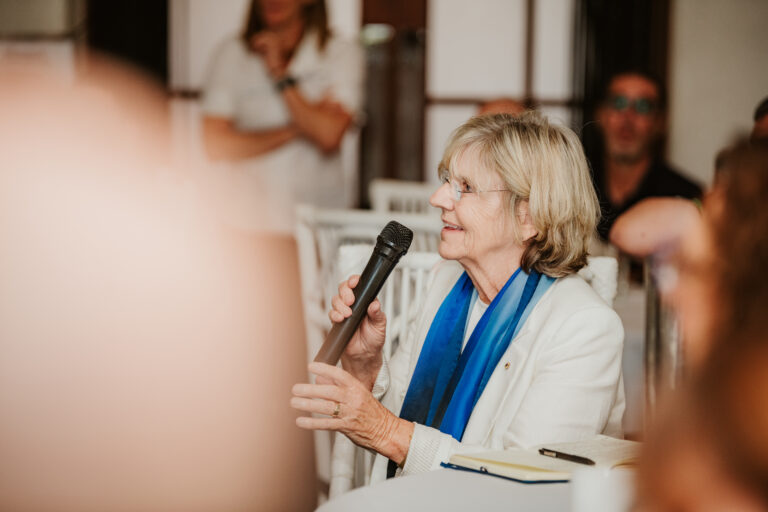
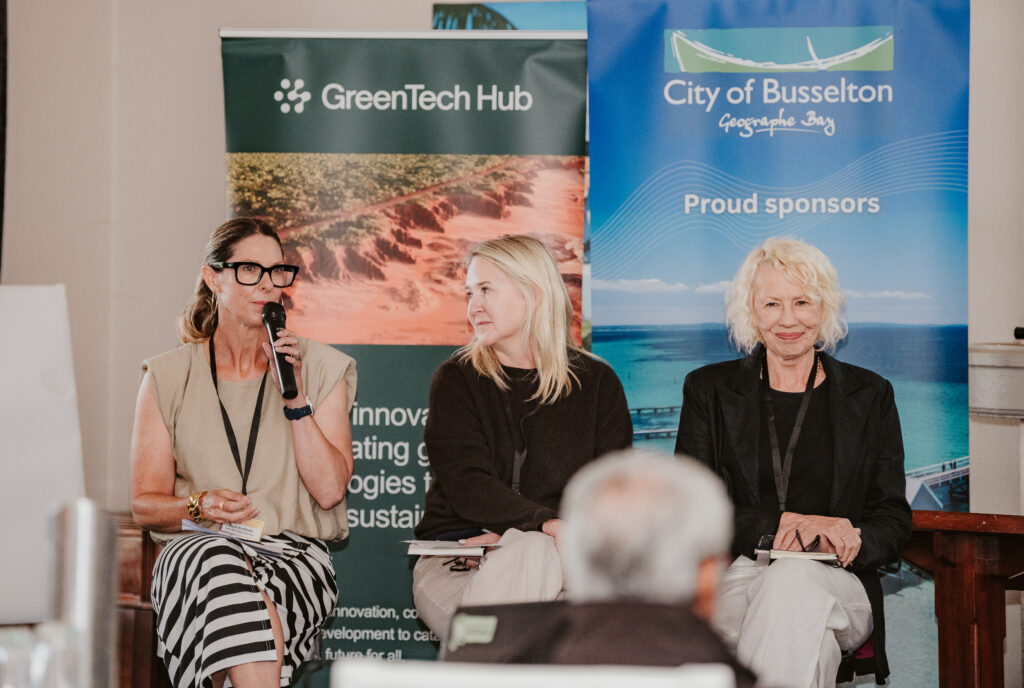
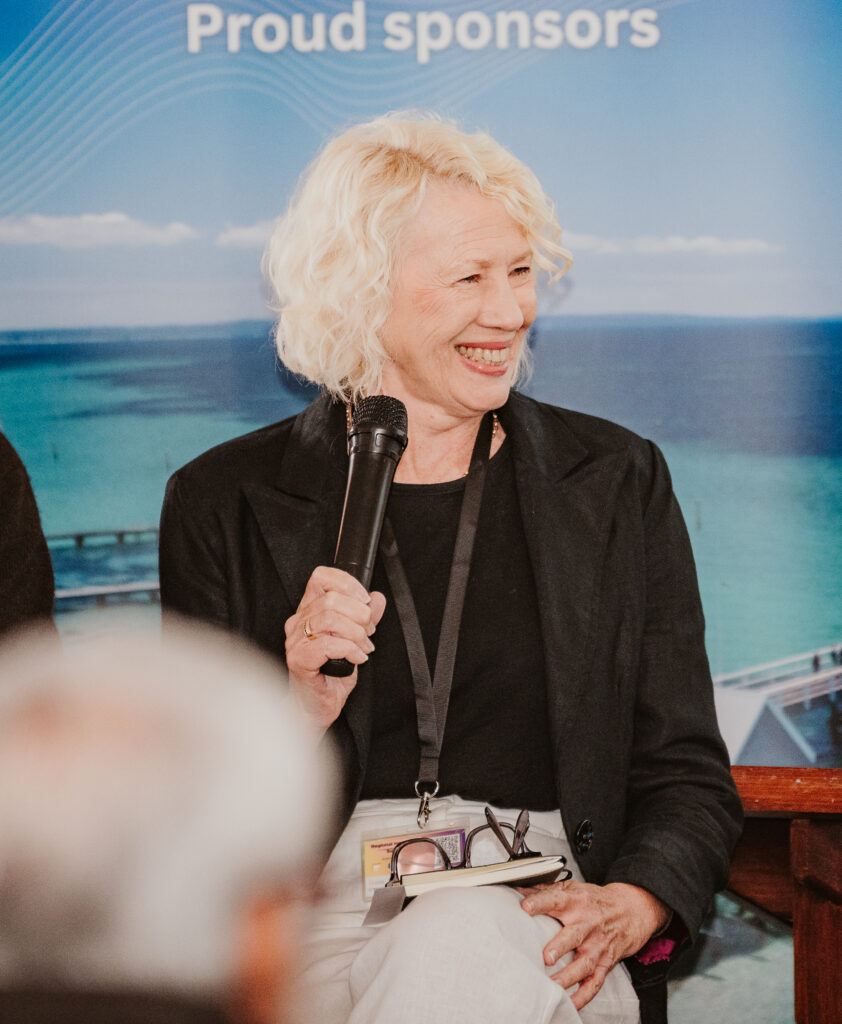
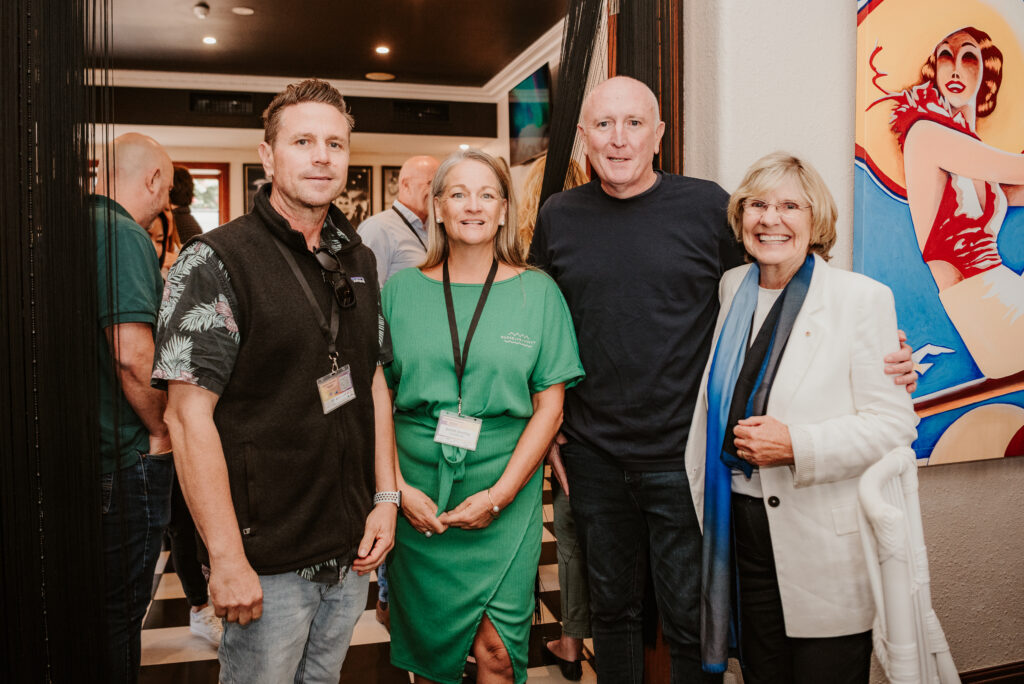
Prof Lyn Beazley, Patron, Busselton Jetty
Tim also discussed the realities of working with teams that leaders may not always have the opportunity to select themselves. During one expedition to South Georgia, a film crew provided by a television network joined the journey, creating unexpected challenges that ultimately required the expedition team to rescue and evacuate them. In situations like this, he said leaders must remain adaptable, identifying the strengths within each team member and continuously reassessing risks and responsibilities.
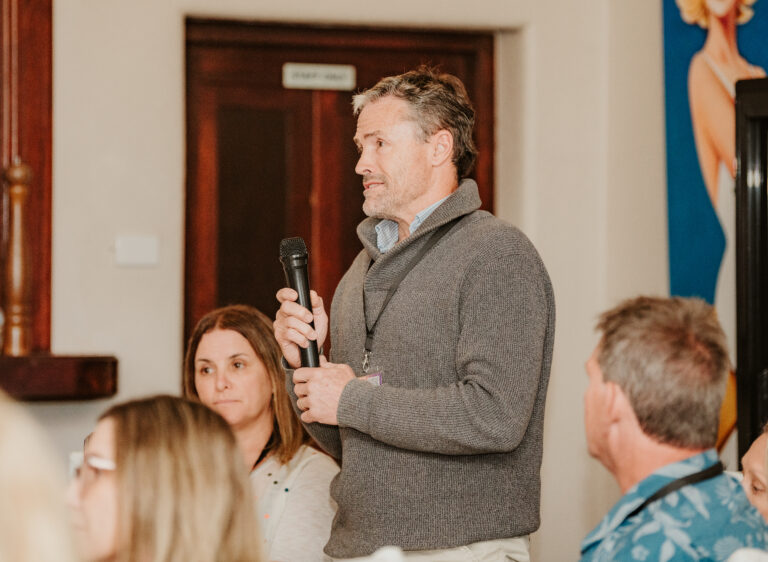
Andrew Macnish, City of Busselton Councillor
Reflecting on his own journey, Jarvis encouraged founders and innovators to embrace calculated risk and push boundaries. One of the biggest surprises during his expeditions, he said, was discovering the depth of resilience people can find within themselves when faced with extreme challenges.
He also emphasised the importance of communicating solutions effectively to different audiences. Whether engaging government, corporations or communities, meaningful progress often comes from identifying the path of least resistance that still delivers change.
Jarvis noted that the effects of climate change provide a tangible example of why action matters, pointing to visible glacier retreat over recent decades. Alongside his expedition work, he now leads reforestation initiatives designed to demonstrate practical responses to human-induced climate change — reinforcing his belief that optimism must always be paired with action.
Agtech Innovation in Action
Richard Beaumont, founder of New Zealand agtech company Agovor, shared the realities of building an innovation-driven business.
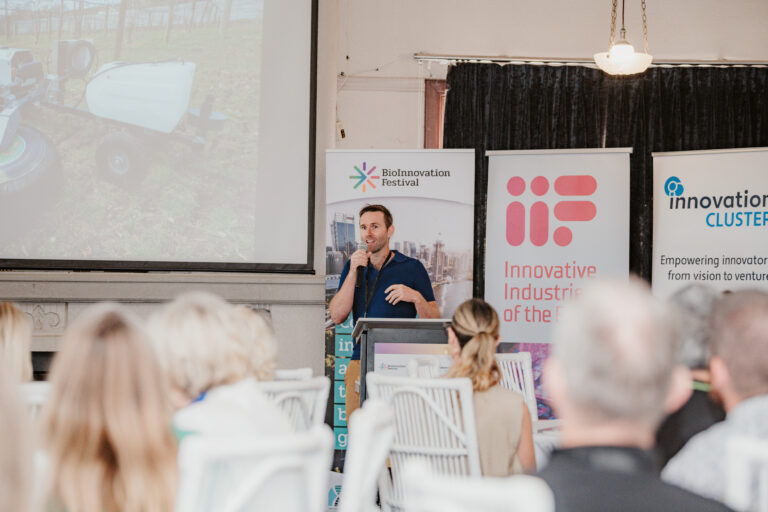
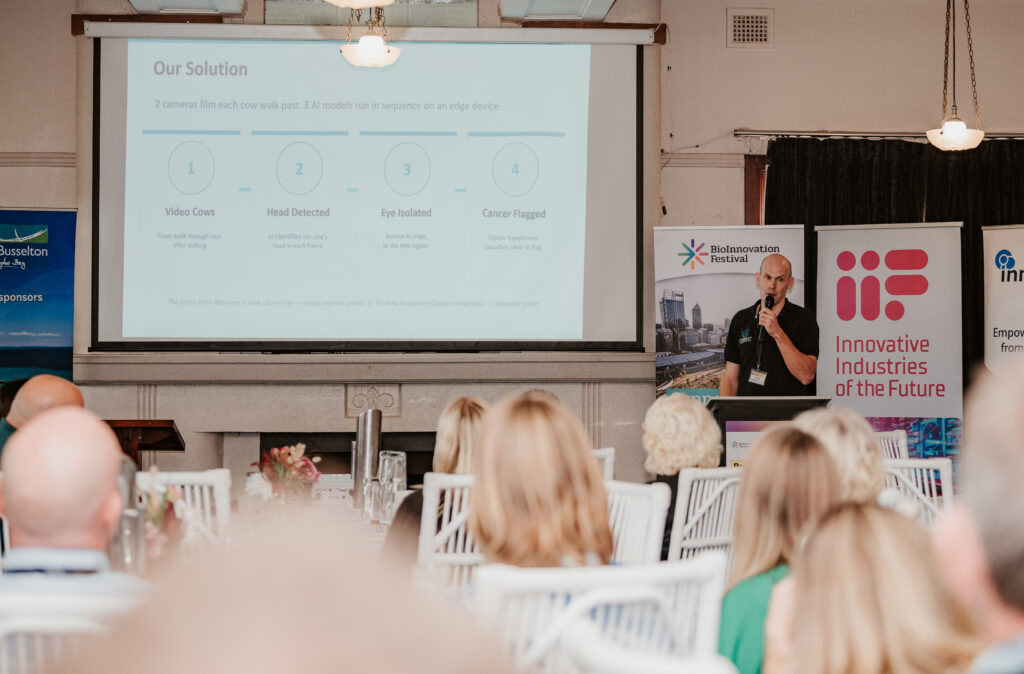
Richard Beaumont, CPO, Agovor
Reflecting on Agovor’s journey developing autonomous agricultural technology, Beaumont spoke candidly about the challenges and opportunities of building a startup with limited resources.
“Adversity builds resilience,” he said. “If we’d had more money early on we might have moved faster — but we wouldn’t have built the resilience we have today.”
Beaumont emphasised the role of early adopters in supporting emerging technologies, noting that farmers and industry partners who are willing to trial new solutions play a critical role in helping startups scale.
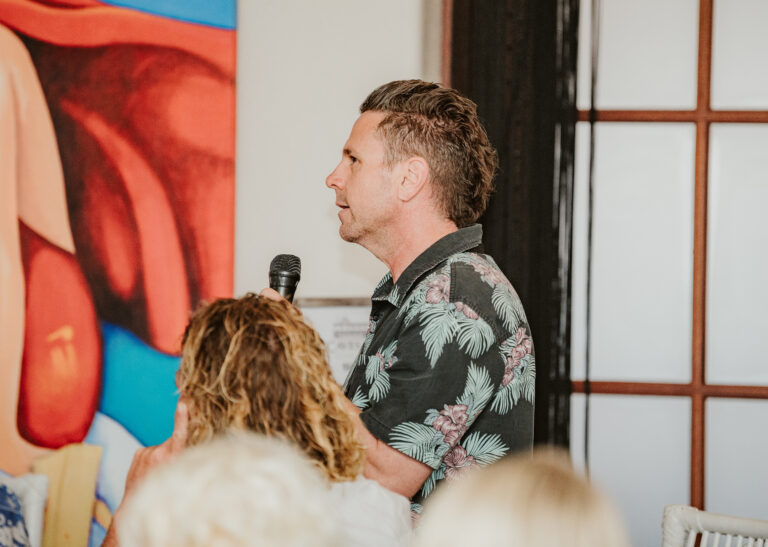
Richard Beaumont audience
Unlocking Investment for Regional Ventures
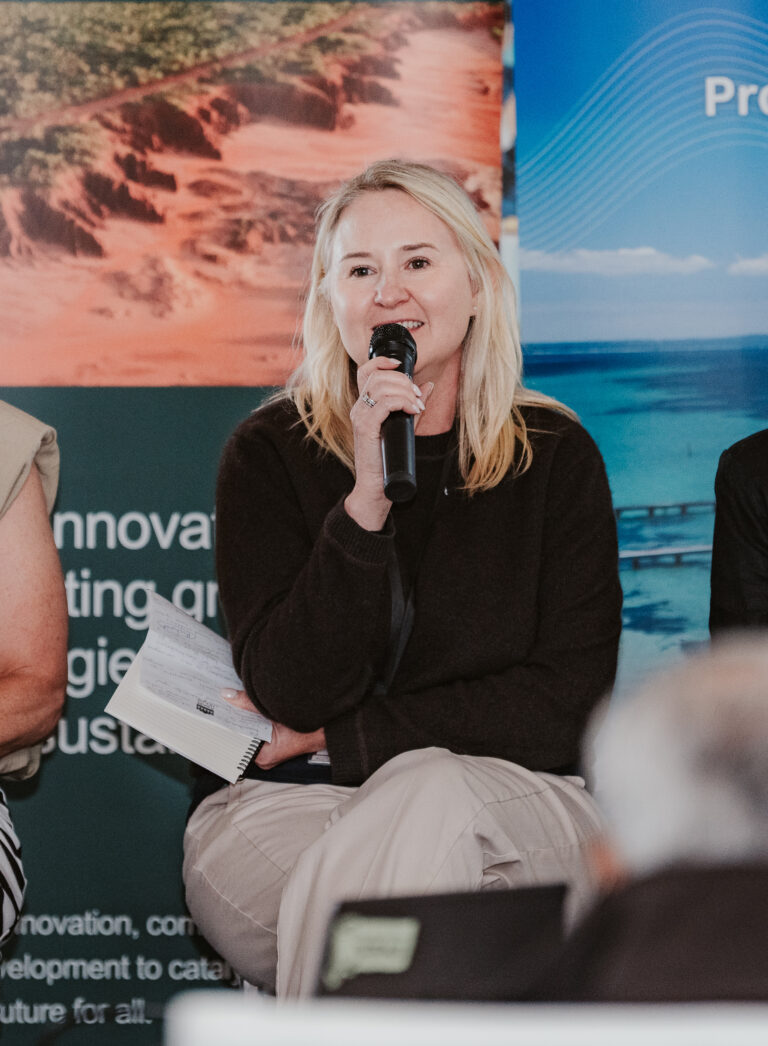
One of the Summit’s key discussions focused on the challenge of unlocking more investment for regional innovation.The Investing in Regional Futures panel brought together investors and ecosystem leaders including Steph Kirchhofer, Tracie Clark, Tash Teakle and Sandra Draper.
Steph Kirchhofer (AgriSpace & South West Angels), Tracie Clark (Skalata Ventures & Scale Investors), and Sandra Draper (DEED)
Discussions highlighted several opportunities to strengthen the pipeline for regional innovation:
Encouraging investors to diversify beyond their traditional sectors by attending regional investor showcases and syndicates
Strengthening founder capability so regional entrepreneurs are better prepared for investment
Increasing connections between venture capital networks and regional development organisations
Creating coworking and collaboration spaces to support remote founders
Improving links between regional innovators and customers outside their local markets
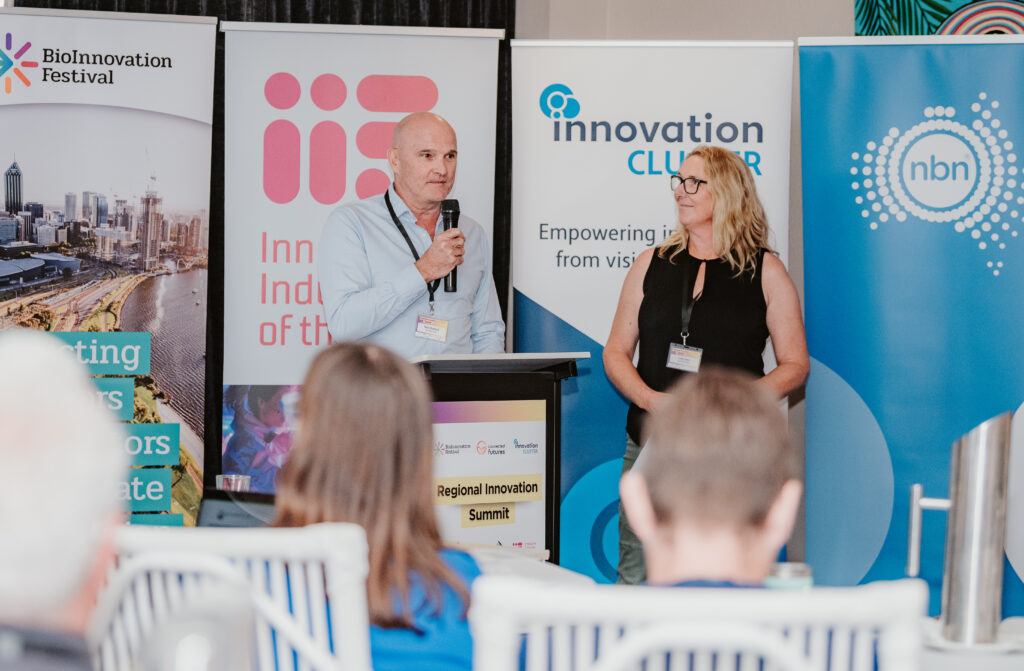
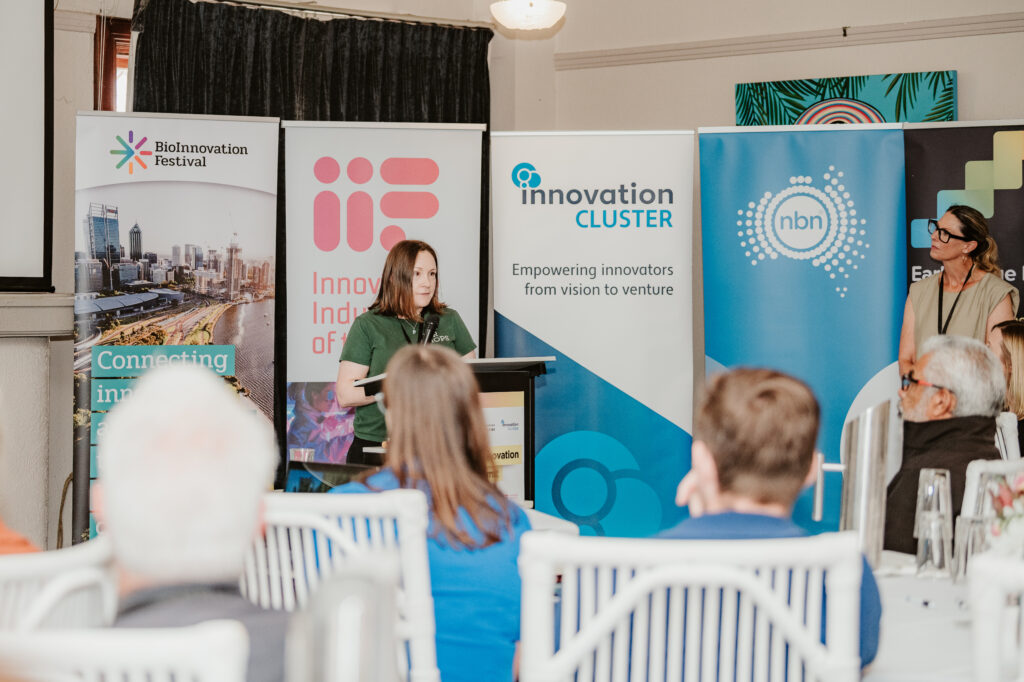
Dr Tash Teakle, Innovation Cluster Managing Director
Panellists noted that innovation in sectors such as agtech and hardware is increasingly gaining credibility with investors, particularly where regional strengths align with global industry opportunities.
Sandra Draper, Director Innovation Ecosystem, DEED
Tracie Clark, Skalata Ventures & Scale Investors
There was also strong recognition that regional innovation is already driving much of Western Australia’s economic growth and should be positioned more prominently within the state’s innovation agenda.
Regional Innovation Pitch Showcase
The Summit also featured founders who participated in the CONNECT Sustainable Industries Program, who presented their ventures to investors and the innovation community. This session was presented by South West Angels who bring together innovative West Australian startups with early stage investors across regional Western Australia.
AgCarbon Future
Barrabup Organics
Forrest Farm Vets
Margaret River Hops
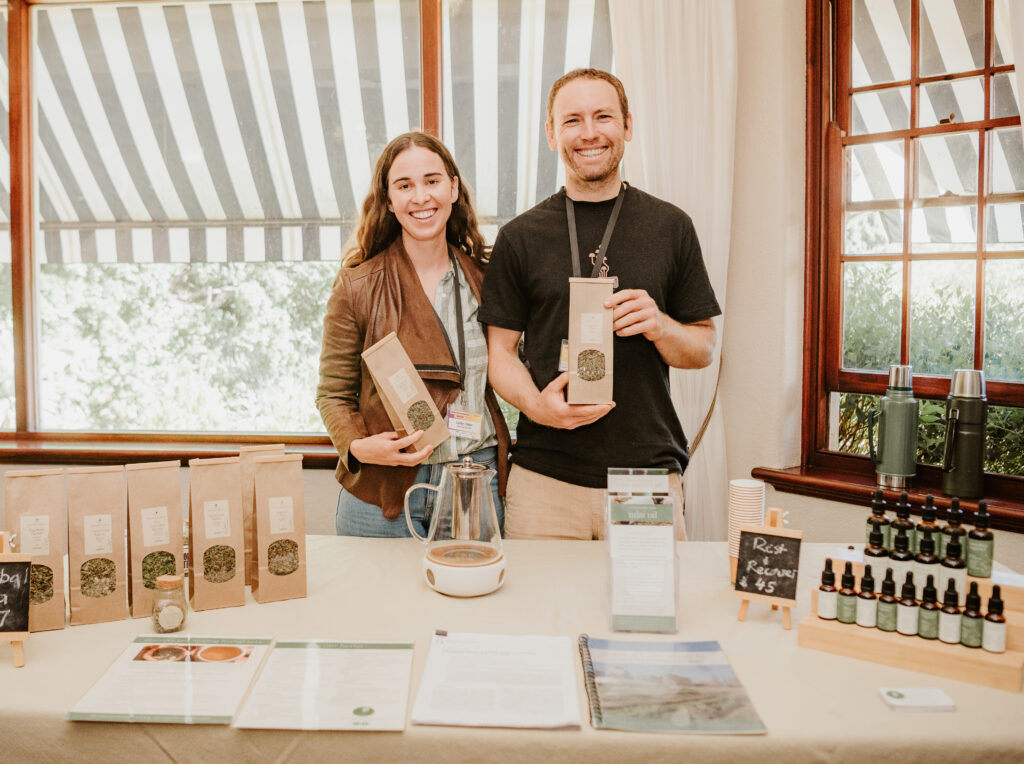
Barrabup Organics booth
Datavit
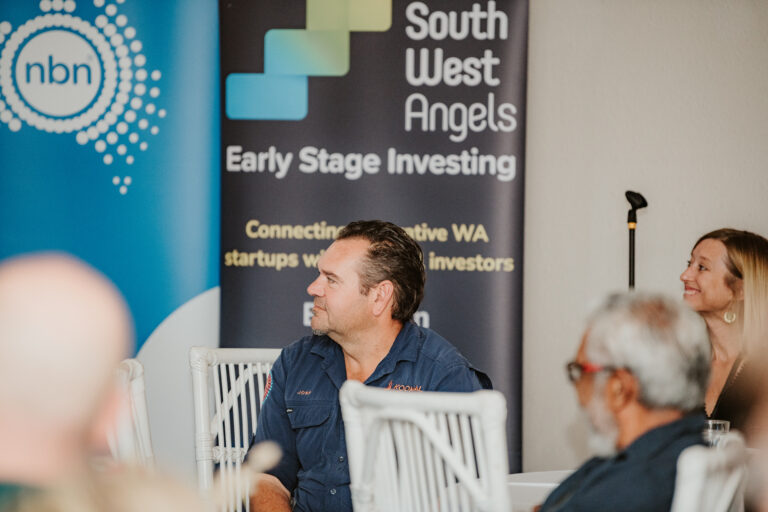
Josh Whiteland watching the Pitch Showcase
The session showcased the diversity ofinnovation emerging from the South West across agriculture, data technology, sustainability and food production.
Regional Ventures on Display
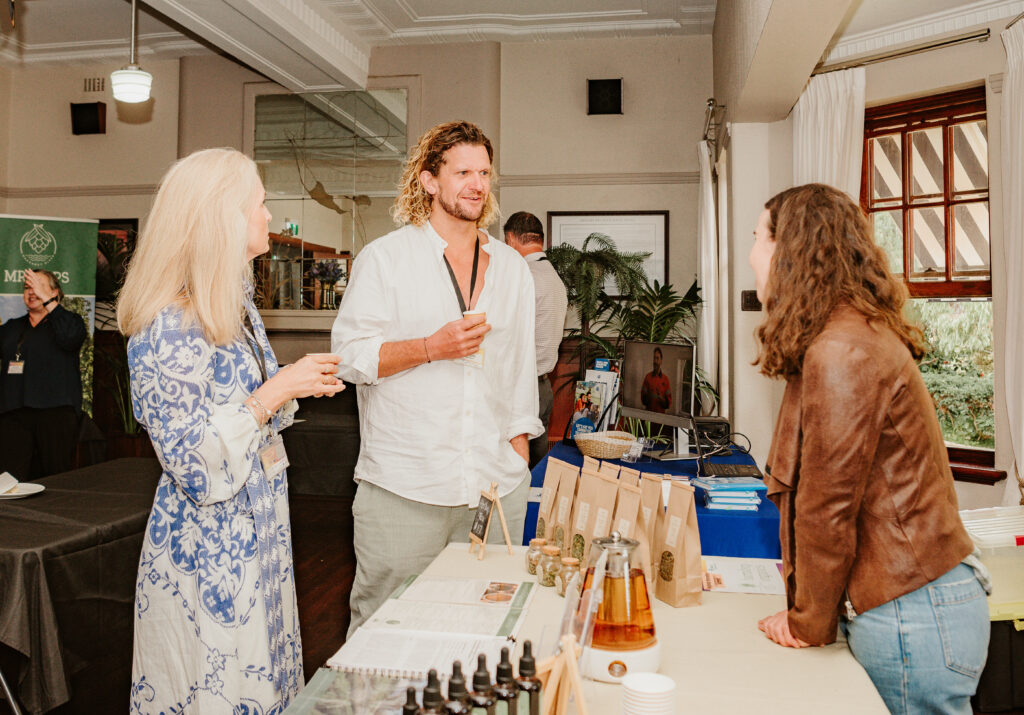
Alongside the speaker program, attendees had the opportunity to explore a showcase room featuring regional businesses and research initiatives, offering a hands-on look at the diversity of innovation emerging from Western Australia’s regions.
Artist & Environmental Scientist Joe Crossley, City of Busselton Deputy Mayor Kate Cox and Caitlyn Pither, Barrabup Organics
The showcase highlighted ventures spanning sustainable agriculture, marine science, Indigenous enterprise, data technology and emerging bio-industries, reinforcing the Summit’s theme that regional communities are already driving meaningful innovation.
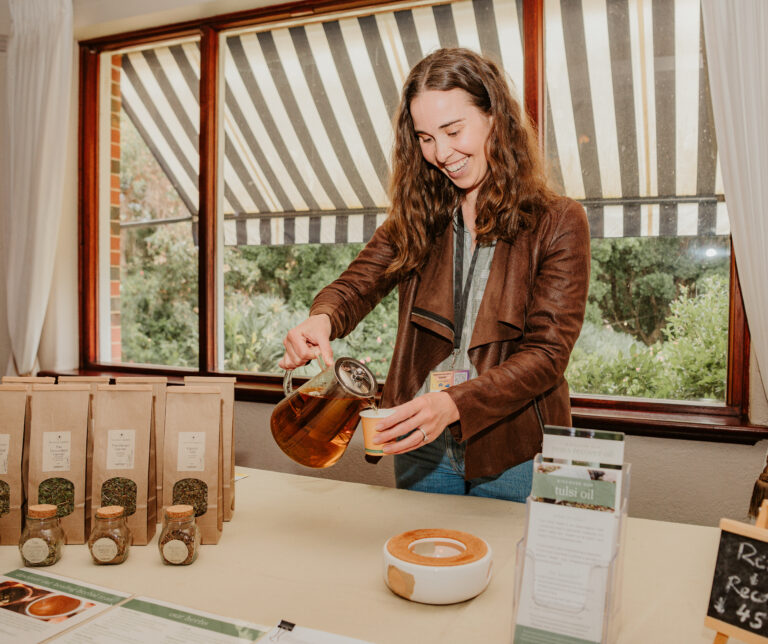
Among the businesses featured was Barrabup Organics, demonstrating how sustainable agricultural practices can support both environmental health and high-quality food production.
Caitlyn Pither, Barrabup Organics
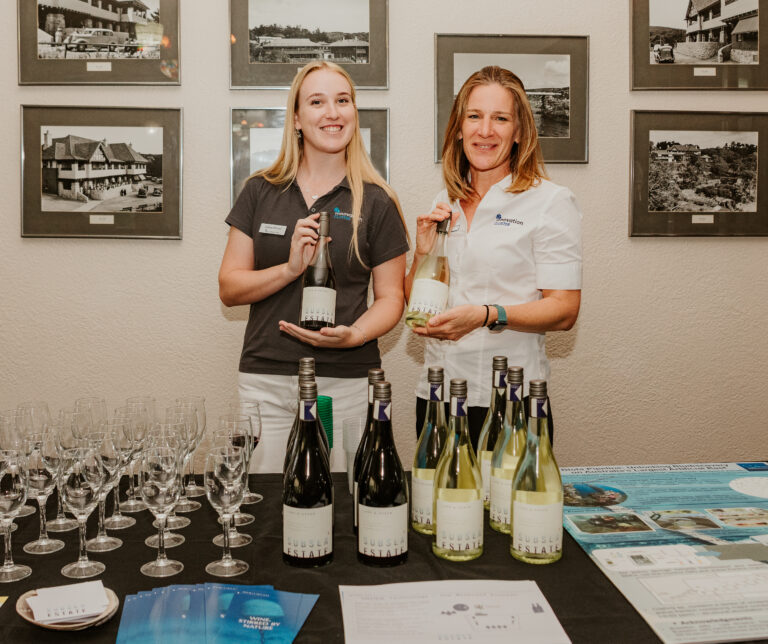
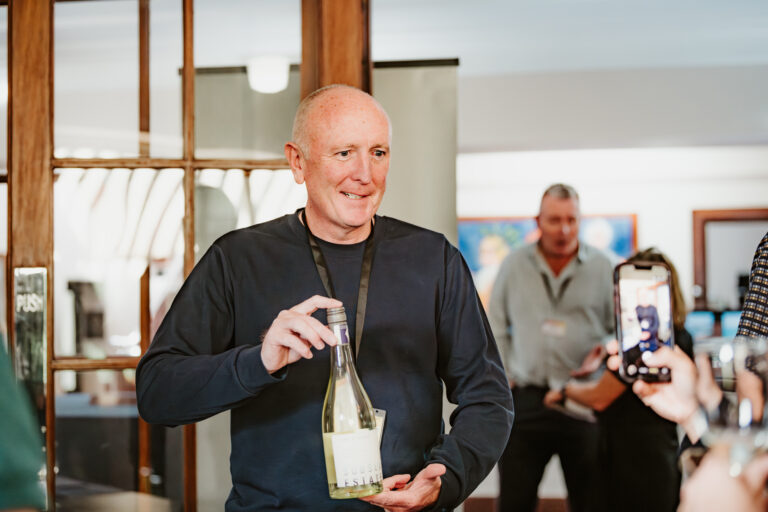
SubSea Estate showcased its work in underwater viticulture, a unique approach to wine maturation that uses ocean conditions to influence flavour and ageing processes.
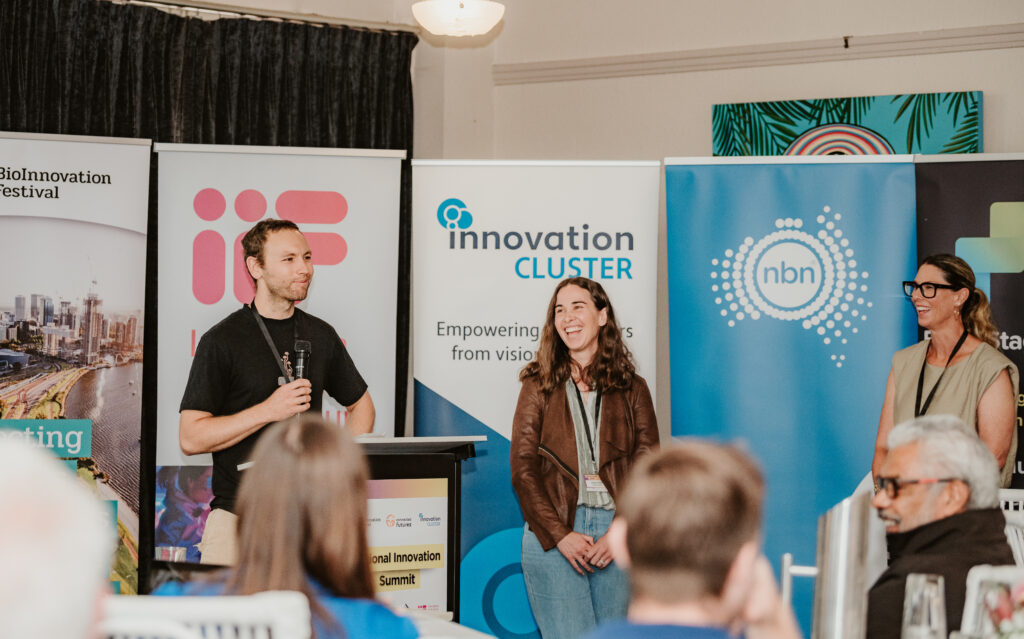
Calista Shreeve & Claire Marchand-Johns, Innovation Cluster, at the Subsea Estate booth
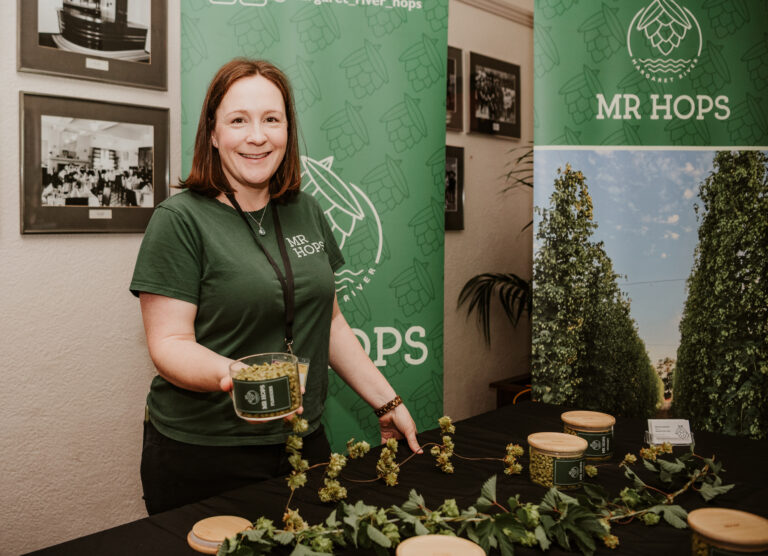
Agricultural innovation was also represented by Margaret River Hops, which is exploring new opportunities in crop production and value-added agricultural products within the region’s growing agribusiness sector.
Tara Funnekotter, Owner/Director, Margaret River Hops
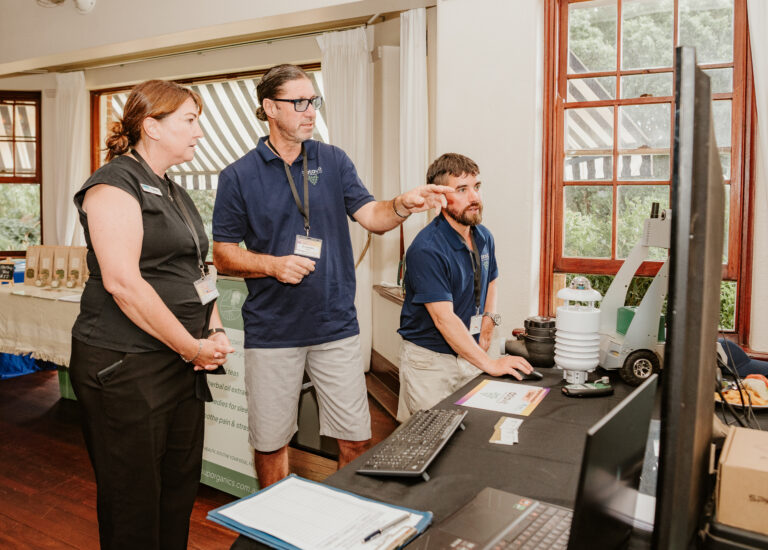
Datavit demonstrated how data-driven platforms can help industries make better decisions by transforming complex datasets into accessible insights for businesses and researchers.
Tracey Whyte City of Busselton with Matias Castillo and Ben Johnston from Datavit
Carbon innovation was highlighted by AgCarbonFuture, which is developing solutions that support farmers to measure, manage and potentially monetise soil carbon as part of the transition to more sustainable land management practices.
Jen West from Carbon West and Min Stephen Dawson talking to the two AgCarbon Future founders Cath Oates and Mark Radford
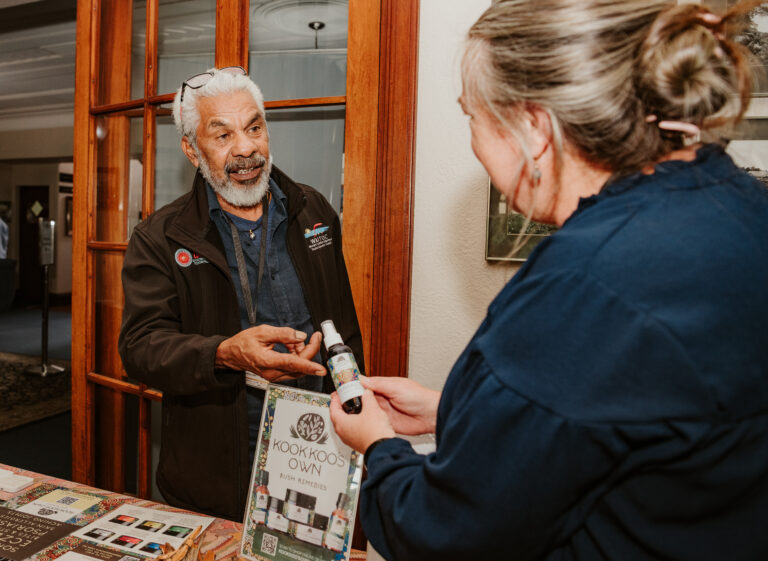
Visitors could also connect with KookKoos Own, an Indigenous bush medicine enterprise led by Jawi Healer Neville Poelina.
Neville Poelina
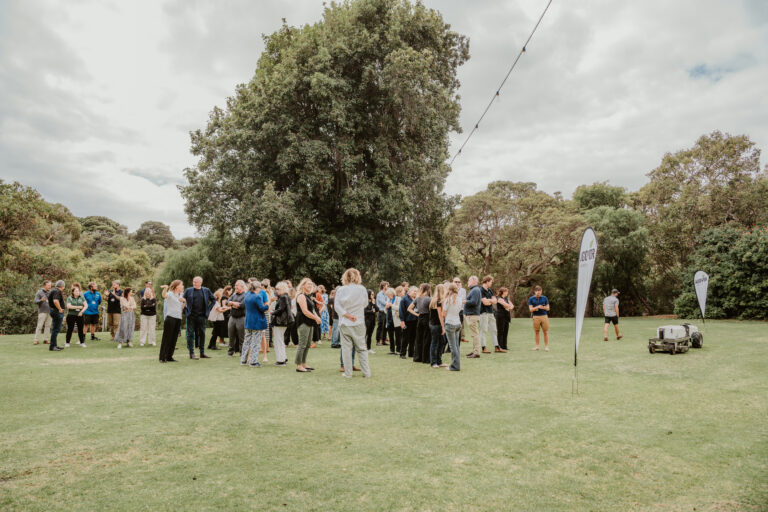
Agovor showcased their autonomous horticulture technology during lunch.
Agovor demonstration
The showcase participants demonstrated how regional enterprises are combining local knowledge, scientific research and entrepreneurial thinking to create new industries and opportunities.
Building Innovation in Regional Australia
Deputy Mayor Kate Cox delivered a regional welcome, highlighting the growing role of the South West as a place where new ideas and businesses can flourish.
“Innovation takes courage and humility,” she said.
City of Busselton attendees, Cr Mikayla Love, Cr Kate Cox Deputy Mayor, and Maxine Palmer Director of Economic and Business Development
Kate reflected that some of the most powerful innovation moments happen simply when people gather together to discuss ideas and possibilities.
She emphasised that the South West is not only a beautiful place to visit, but an exciting place to innovate and build new industries.
Unlocking the Blue Economy
Dr Darren Holland shared incredible insights from research into anticancer compounds discovered in marine sponges found along Western Australia’s coastline.
However, he noted that marine sponges represent just a fraction of the potential.
“We are only looking at the sponge, there are so many other species in WA’s South West that we have barely explored.”
Dr Darren Holland
UWA
With one of the longest coastlines in the world, Western Australia holds vast untapped potential for marine biotechnology.
Dr Darren Holland, UWA
Dr Holland emphasised the importance of supporting early career scientists and researchers to continue exploring these opportunities.
Dr Darren Holland, Danelle Dowding Busselton Jetty, Min Stephen Dawson and Lyn Beazley Patron Busselton Jetty
Indigenous Bush Medicine Knowledge
Neville Poelina shared perspectives on Indigenous knowledge and bush medicine traditions, highlighting the cultural understanding and deep connection to Country that underpins Indigenous approaches to health and healing.
Neville Poelina
His contribution reinforced the importance of respectful collaboration between science, Indigenous knowledge and industry as new bio-innovation opportunities emerge.
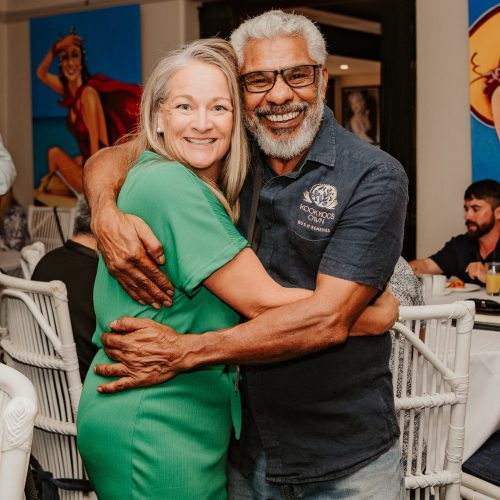
Danelle Dowding, Busselton Jetty and Neville Poelina
Creativity, Technology and Community
Joe Crossley explored how art, technology and biology intersect in his immersive installation work through The Astralprojekt.
Joe Crossley, Astral Projekt
Crossley described creativity as a collaborative ecosystem, explaining how large-scale installations often bring together scientists, engineers, artists and communities.
“We form incredible communities around projects,” he said.
His work explores light, vibration, frequency and symbolism, creating experiences that transform public spaces and invite audiences to engage with technology in new ways.
GreenTech Moonshots
In an interactive session led by Jason McFarlane, Director, GreenTech Hub WA, participants explored what sustainability moonshots regional WA could lead by 2040.
Jason McFarlane, Director WA Green Tech Hub, Richard Beaumont, CPO, Agovor and Tim Jarvis
The biggest takeaway? Innovation doesn’t happen somewhere else — it starts with communities believing they have the agency to lead it.
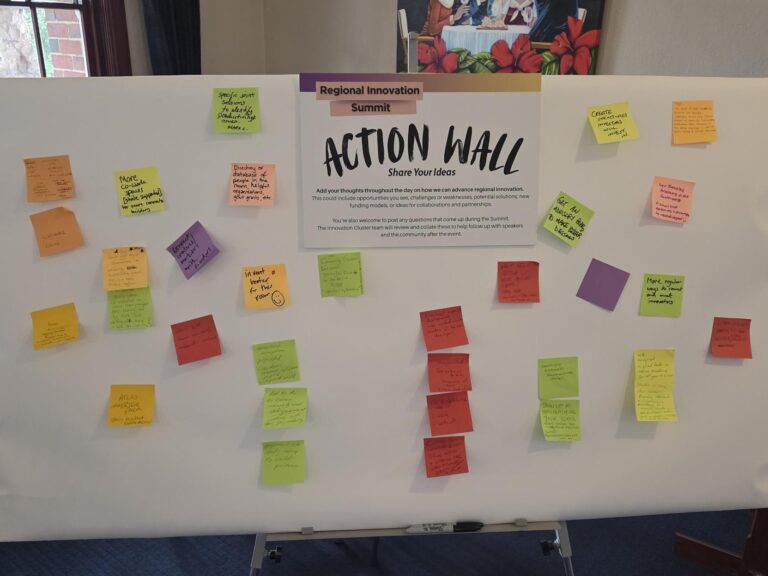
Summit Action Wall
A Vision for Regional Innovation
The Summit concluded with reflections from Minister Stephen Dawson, who reinforced the importance of regional innovation to Western Australia’s future.
Min Stephen Dawson and Oded VanHam, Australian National Fabrication Facility
The Minister highlighted that much of the state’s most exciting innovation is already emerging from regional areas.
He noted that government programs now recognise the additional costs faced by regional innovators, with grant programs incorporating built-in support for regional participation.
Min Stephen Dawson showcasing SubSea Estate Wine
The Minister also spoke about new bioprospecting legislation designed to protect Indigenous knowledge while supporting responsible innovation and the importance of ensuring young people can build careers and innovative businesses without needing to leave their regional communities.
“I don’t want our young people to feel they have to leave their local communities to thrive”
Min Stephen Dawson
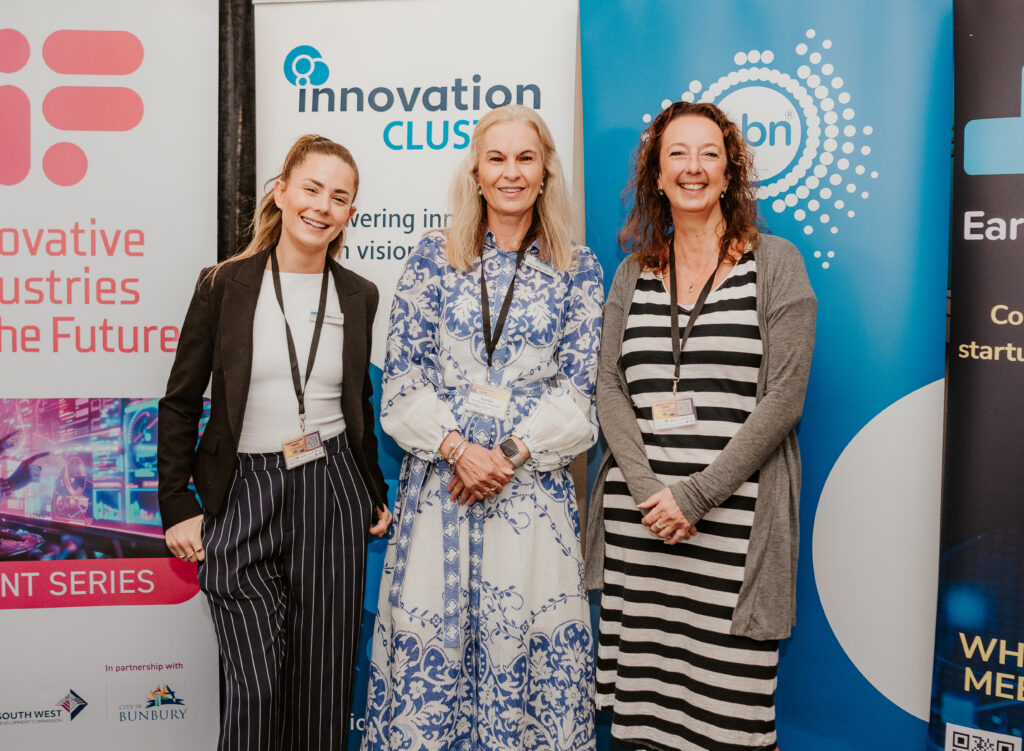
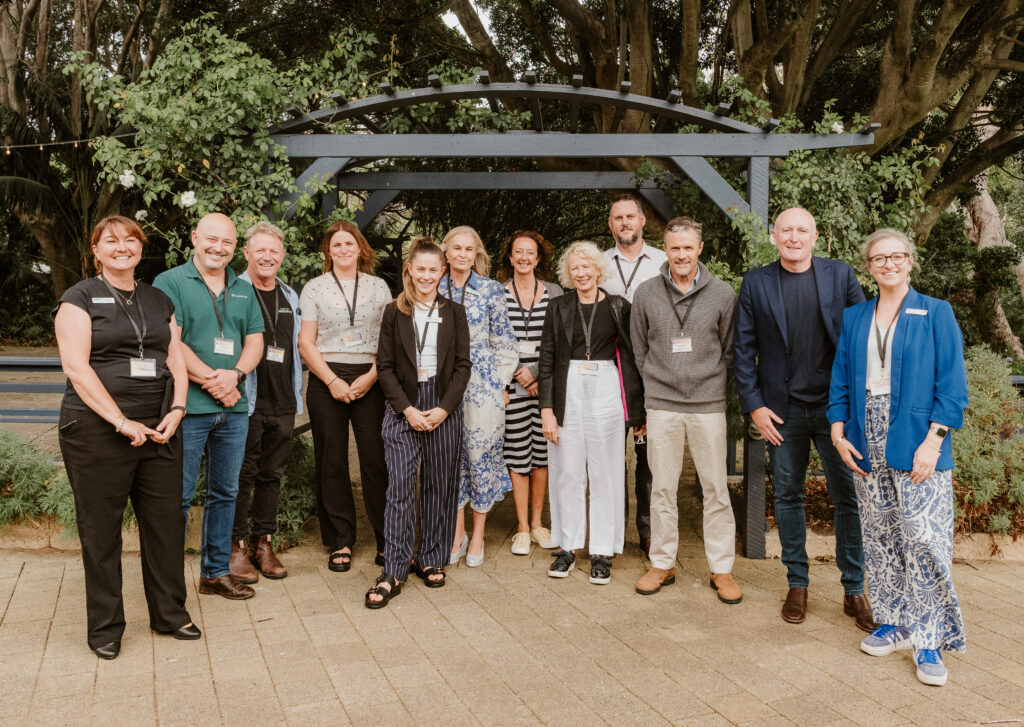
Thank you to our sponsors. Right to left: Tracey Whyte City of Busselton, Jason McFarlane GreenTech Hub, Mat Lewis Creative Tech Village, Anita Pettit Creative Corner, Cr Mikayla Love, Cr Kate Cox Deputy Mayor, Maxine Palmer City of Busselton, Sandra Draper DEED, Cameron Edwards nbn® Australia, Cr Andrew Macnish, Min Stephen Dawson, Cate Brooks South West Development Commission
Strong Feedback from Participants
The response from attendees highlighted both the energy in the room and the appetite for more opportunities to connect the regional innovation ecosystem.
“Excellent speakers! This event showcased the incredible diversity of entrepreneurial spirit and groundbreaking innovation coming out of the region.”
“Thank you for the careful curation of the speakers — great cross section of industry and information. Nice and informal which made for great networking.”
“The energy and connections from this event was one of the best I’ve experienced. All so very relevant and engaging. A credit to the organisers.”
“Great diversity of speakers. Well done on unearthing the quiet achievers!”
“Great event! Thanks for bringing these speakers to the southwest. More of this please.”
“Very well organised and a great diversity of subjects and speakers that all tied in well.”
For many attendees, the Summit stood out as one of the most impactful events they had attended.
“This was hands down the best conference I’ve attended. You freakin nailed it. It absolutely rocked. Every speaker was incredible, relevant and inspired action.”
Stacey Ward
TUSC
“Brilliant work. Loved it and can’t wait for next year.”
Sandra Draper
DEED
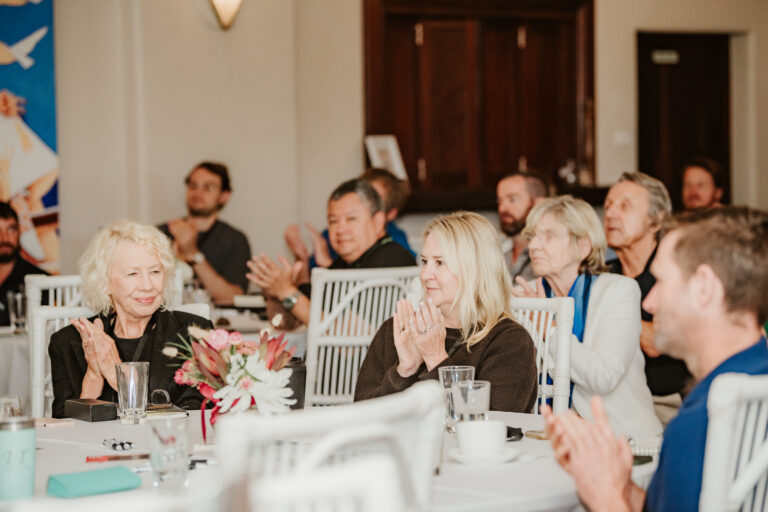
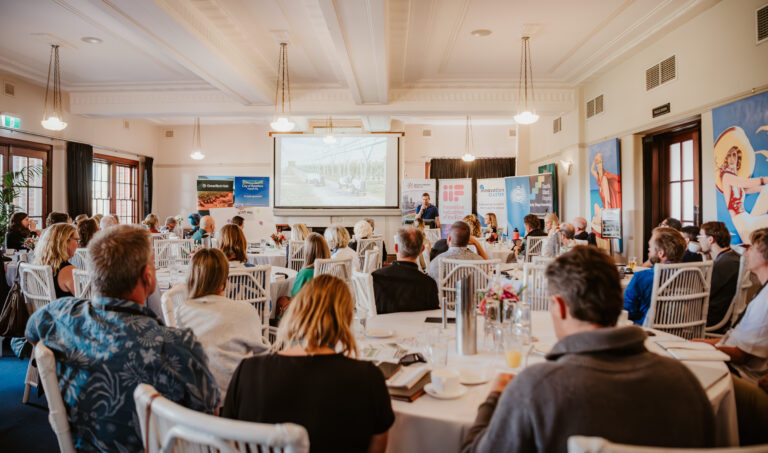
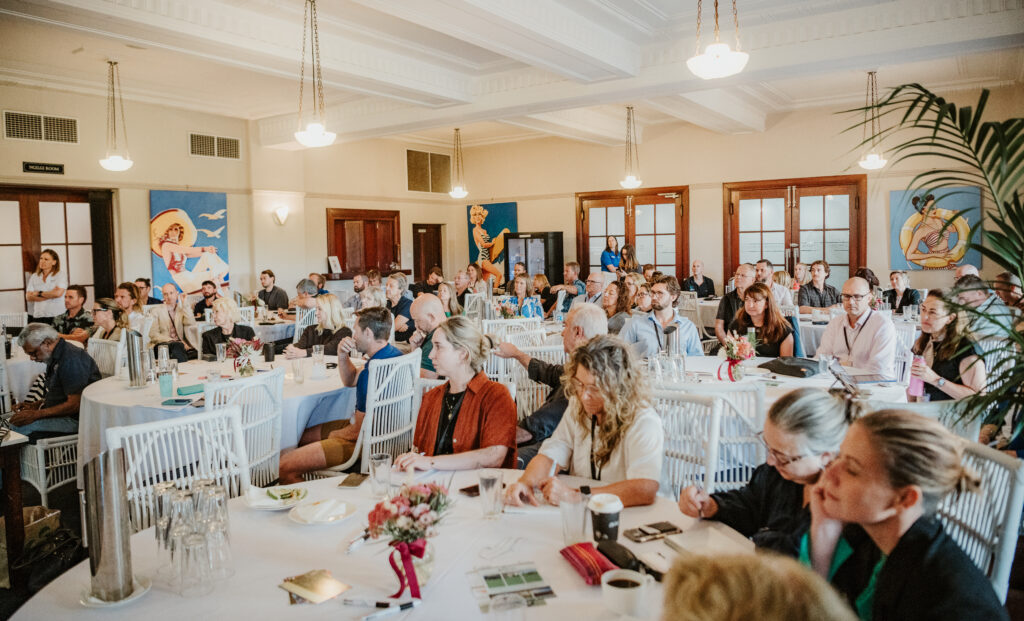
Summit audience
Looking Ahead
Across the Summit, one message was clear: regional Western Australia has the talent, ideas and natural advantages to lead globally significant innovation.
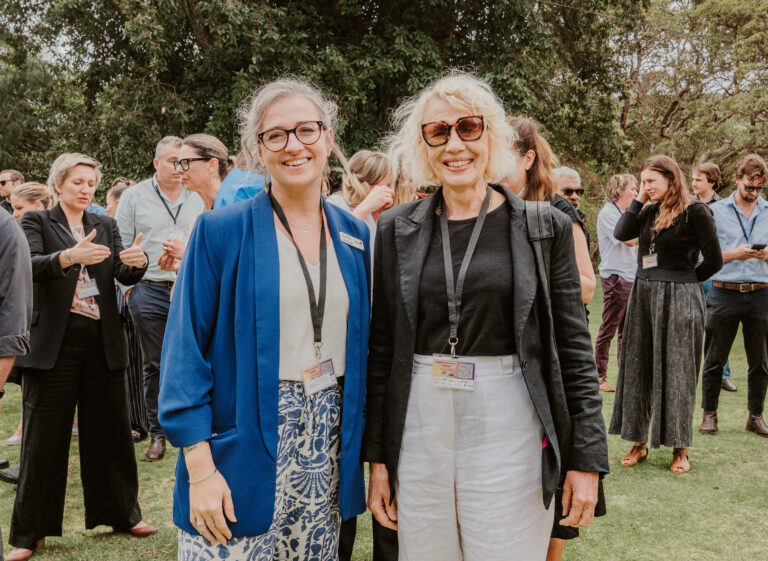
Cate Brooks, CEO SWDC and Sandra Draper, Director Innovation Ecosystem, DEED
By strengthening collaboration between founders, researchers, investors, communities and government, the region is building a powerful ecosystem capable of shaping the industries of the future.
And if the conversations and connections sparked during the Regional Innovation Summit are any indication, this is only the beginning.
Jessica Priestly, Managing Director at Koomal Dreaming