ClimAdapt combines Global Climate Models and AI to empower farmers make climate-smart decisions today to future proof their operations and ensure ESG compliance.
Why did you apply for the HARVEST program?
I applied for HARVEST at a pivotal moment for ClimAdapt. We were in the middle of validating our core technology through pilot projects across vineyards and broadacre farms. The science was working, the models were solid, but I was acutely aware that building good technology and a viable business are two very different challenges.
I came to this from years working in sustainability teams at global corporations, where I’d built deep expertise in climate science and sustainability strategy. But the agricultural sector in WA operates completely differently from the corporate world I knew. I could explain climate projections and supply chain risks, but I didn’t truly understand how farmers here make decisions, what drives them to invest, and their real day-to-day pain points.
HARVEST offered exactly what I needed: structured guidance to bridge that gap between technical capability and commercial viability, and access to mentors who actually understood the WA agricultural landscape.
What was the main challenge you were facing in your business before HARVEST?
Our primary challenge was translating complex climate science into a business model that resonated with diverse players in the ag-sector. We had developed sophisticated models, but struggled with three interconnected issues:
- Market segmentation clarity: understanding whether to prioritize direct sales to individual farmers, partner with industry associations, or pursue a “down-the-supply-chain” model through exporters and processors
- Value proposition articulation: We could explain the science brilliantly, but struggled to communicate immediate, tangible ROI to end users
- Getting in front of the right people: We needed to reach farmers and key industry players to test and validate our solution, but coming from outside the agricultural sector, I lacked the established networks within WA farming communities to get honest feedback at scale.
Essentially, we had powerful R&D but needed help ensuring it solved real problems in ways customers would actually pay for.
How did the HARVEST program help address this challenge?
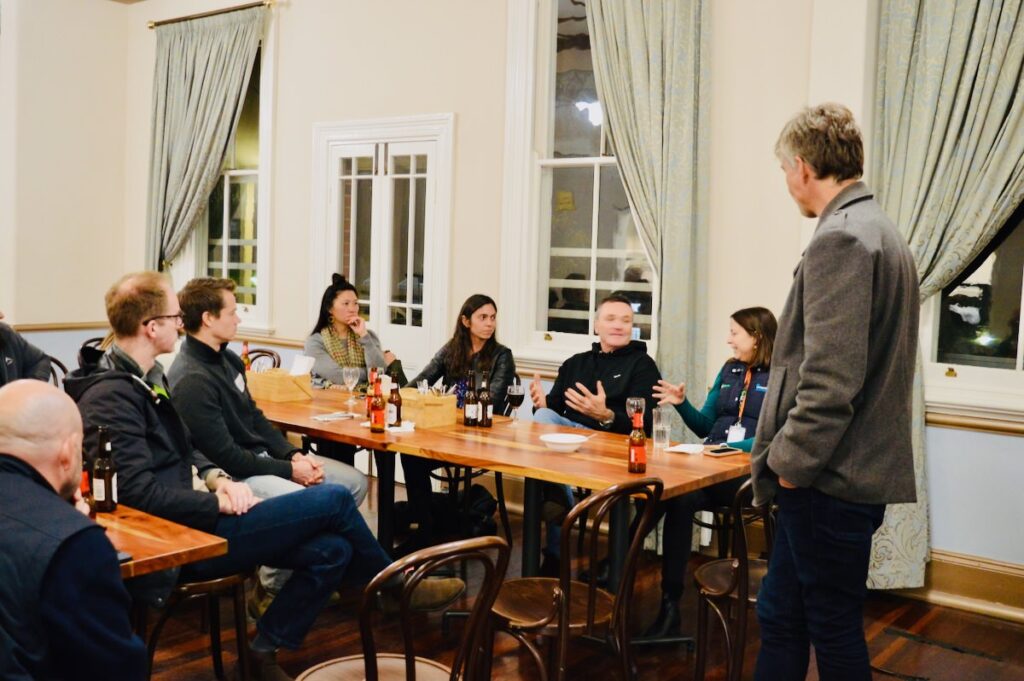
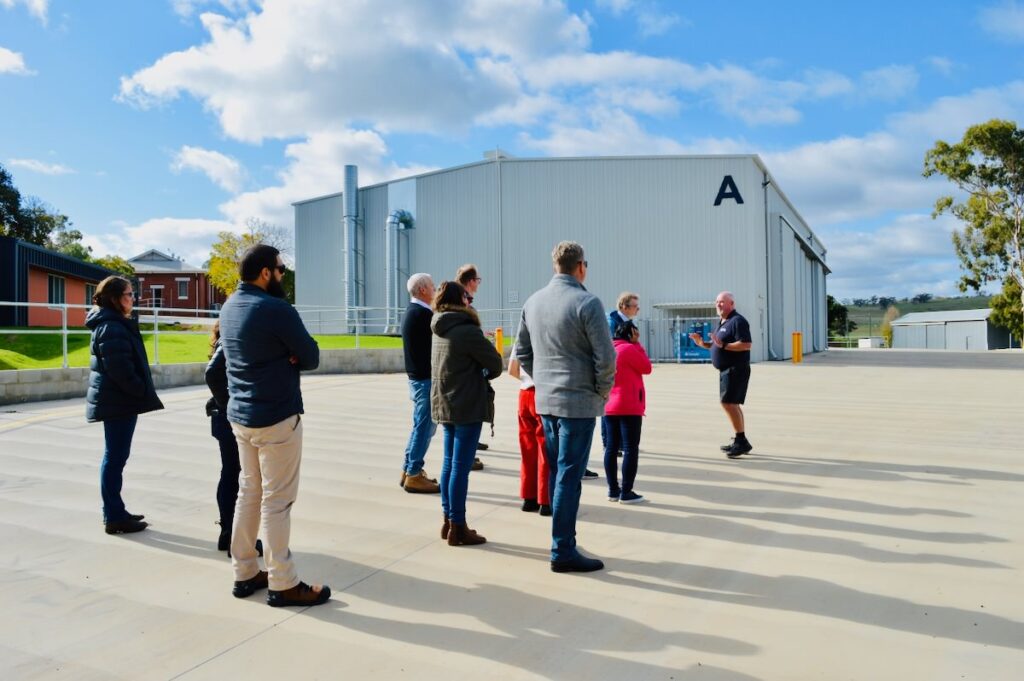
HARVEST provided the structure and mentorship we needed to translate R&D innovation into a business. Through the program, we refined our customer value proposition, clarified ClimAdapt’s tiered business model, and received invaluable feedback on investor storytelling. The network of peers and mentors also helped validate our approach to scaling through industry collaboration, connecting us directly with farmers and leading industry players across WA. These connections provided first-hand insights into user pain points and regional adaptation needs, strengthening our pilot design and ensuring that ClimAdapt’s tools were co-created with end users rather than built in isolation.
What were the main benefits you got out of the program? Both for your business and you personally?
Personally, it expanded my perspective as a founder. Coming from a corporate sustainability background, HARVEST gave me the tools to think like a venture-builder, focusing on scalability, traction, and capital efficiency (or ‘survival’!). For the business, HARVEST gave us clarity. We emerged with a sharper commercial strategy and deeper connections across WA’s ag-tech ecosystem. The program helped us validate our go-to-market plan and identify early-stage funding pathways.
Any major achievements for your business since completing HARVEST?
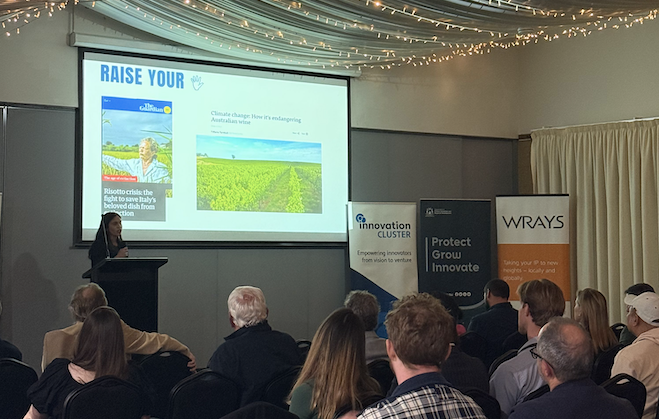
Since completing HARVEST, we’ve hit several reshaping milestones. We rebranded from ARCA Sustain to ClimAdapt, which better reflects our identity as a next-generation climate intelligence platform for agriculture. We secured co-development partnerships with key scientific organizations, expanded our pilot projects to cover over 19,000 hectares, and formalized our collaboration with industry groups to integrate ClimAdapt’s technology across WA’s wine sector. We are also expanding our team, bringing on our second in-house agricultural research scientist and actively searching for a CTO.
What does the future hold for your business?
Our immediate focus is delivering a market-ready MVP by early 2026 that validates our technical capabilities and business models in parallel. We’re building out our wine sector offering while simultaneously developing the broadacre crop modeling. Looking ahead, the focus is shifting from proving the concept to proving the business.
ClimAdapt aims to become the digital backbone for climate-resilient agriculture, first across Australia, then into similar markets like Chile and Canada where wine and cropping face comparable climate pressures. Beyond software, we’re building a knowledge transfer ecosystem. As farm profits in WA are projected to fall sharply by 2050 without adaptation, our mission is ensuring that world-class climate intelligence isn’t reserved for large corporations. Every farm business, regardless of size, deserves the foresight and tools to not just survive but thrive in a changing climate.
The future holds expansion into new crops, regions, and agricultural subsectors, always maintaining our core principle: translating complex climate science into accessible, actionable intelligence that turns risk into opportunity.